
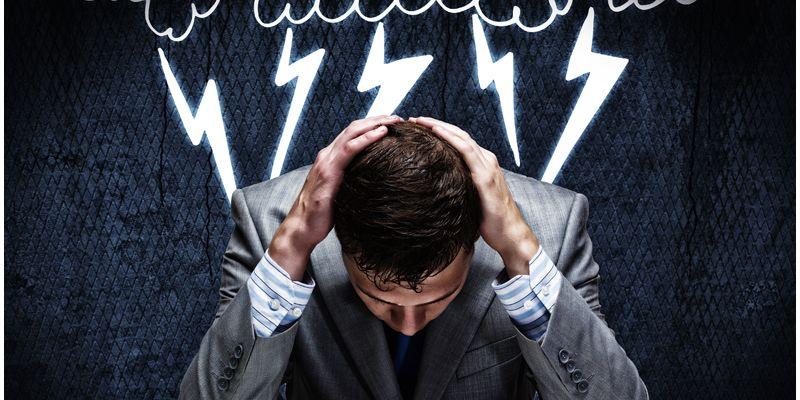

Bad weather can have a wide range of effects on us humans: Mood swings, poor concentration, sleepiness, decreased sex drive – even cravings for those feel-good carbs and sugary products that lead to weight gain. It can last for a period of days and be relatively mild in intensity, or it can stick around for months and exhibit many of the characteristics of serious depression known as Seasonal Affective Disorder (SAD).
It’s only in the past 30 years or so that researchers have taken a serious look at how bad weather impacts our well-being. There is still much to be studied in this area, but there is general consensus that hormone balance is at the centre of the issue. The question is, what exactly is going on in our bodies during those gloomy, cloudy days, and do innovations such as light therapy or negative air ionization hold the answers?
What is SAD?
SAD is now understood to be a form of depression and has been widely recognised as such in the medical community. People suffering from it find their moods change dramatically in the winter season, where they show many of the typical signs of depression.
The big difference compared to non-seasonal depression is that a person with SAD notices their symptoms greatly relieved by exposure to sunlight – the season changes and they start to feel better. So what is sunlight doing to our bodies and why does it make us feel so good?
It’s the hormones
The magic words here are melatonin and serotonin.
Melatonin is a hormone connected with our sleep patterns and is triggered by darkness. Its job is to make us sleepy, so during miserable, overcast days we’re producing a lot of this hormone and it becomes more difficult to get up in the morning. Our energy levels are down, and in more extreme cases we become depressed. Melatonin production is stopped by – yes, you guessed it – exposure to light.
And before you think, “Well, this doesn’t affect me, I live in the UAE not Norway,” it’s worth considering that a few days of covered sky from a sandstorm or marine fog, or even working a night shift, can change our melatonin levels and mood. These spikes disrupt our circadian rhythms, the body’s internal regulator of the 24-hour cycle through day and night.
The other buzz word here is serotonin, generally considered to be a neurotransmitter (or hormone) that is connect
ed with our moods. Whether low serotonin leads to depression, or depression leads to low serotonin is still unclear, but this chemical is used successfully in antidepressants known as SSRIs (selective serotonin reuptake inhibitors), so there is clearly a link.
Outside of prescribed medication, it is thought that we can also boost our serotonin levels simply through exposure to sunlight. Which means we’re getting a double whammy: The light blocks our production of melatonin so we don’t feel drowsy, and at the same time it may bump up serotonin to make us feel good.

What you can do to feel better
To start – and regular readers won’t be surprised to hear this from me because you know how I go on about nutrition and health – you need to make sure you’re eating a balanced diet (read Paleo). I also want you to get a fair bit of exercise, and preferably of the outdoor variety.
If you aren’t in the mood to get up and about, then when at home do try and position yourself near a window when you’re sitting watching TV or reading.
In extreme situations, just get away. Take a trip to sunnier climates and step out of the cloud entirely.
A number of SAD sufferers find light therapy very effective. This means simply having a special light box in your home to block melatonin production during the day, while boosting serotonin levels. Light boxes vary in intensity (measured in ‘lux’) but often just 30 minutes to an hour per day is enough to produce positive results for many people.
Negative ions may also be helpful. They are generally found in breaking waves and waterfalls, so unless you want to be permanently damp, you might also consider a negative ion generator (sometimes known as an air ionizer or ion therapy) which generates particles with a negative electric charge. The positive mood benefits of negative ions were actually discovered by accident when used as a placebo in a 2006 SAD research study.
If you are suffering from serious SAD you will need to speak to your doctor and address the issue as you would any form of depression. Along with some at-home remedies mentioned above, your doctor may recommend antidepressants or talk therapy.
Takeaway
Living in the UAE means there is plenty of sun (as in pretty much 99% of the time), and I’ll be honest in telling you I have yet to have a single patient that needed to be treated for SAD in this country. So let’s just state the obvious: We are very blessed to be living in such a climate and in a city that sits so close to our beautiful beaches.
But next time you spend significant time in a place that doesn’t offer upwards of 360 days of sun a year, remember that your low mood may be entirely due to weather, and you may therefore want to consider trying some of the remedies I’ve given you here.
 Graham Simpson, MD is Chief Medical Officer and Founder of Intelligent Health, a preventive medical centre located in Jumeirah. Dubai. He graduated from the University of the Witwatersrand Medical School in Johannesburg, South Africa, and is board certified in Internal Medicine and Emergency Medicine. As a founding member of the American Holistic Medical Association (AHMA) Dr Simpson is also a licensed homeopath.