
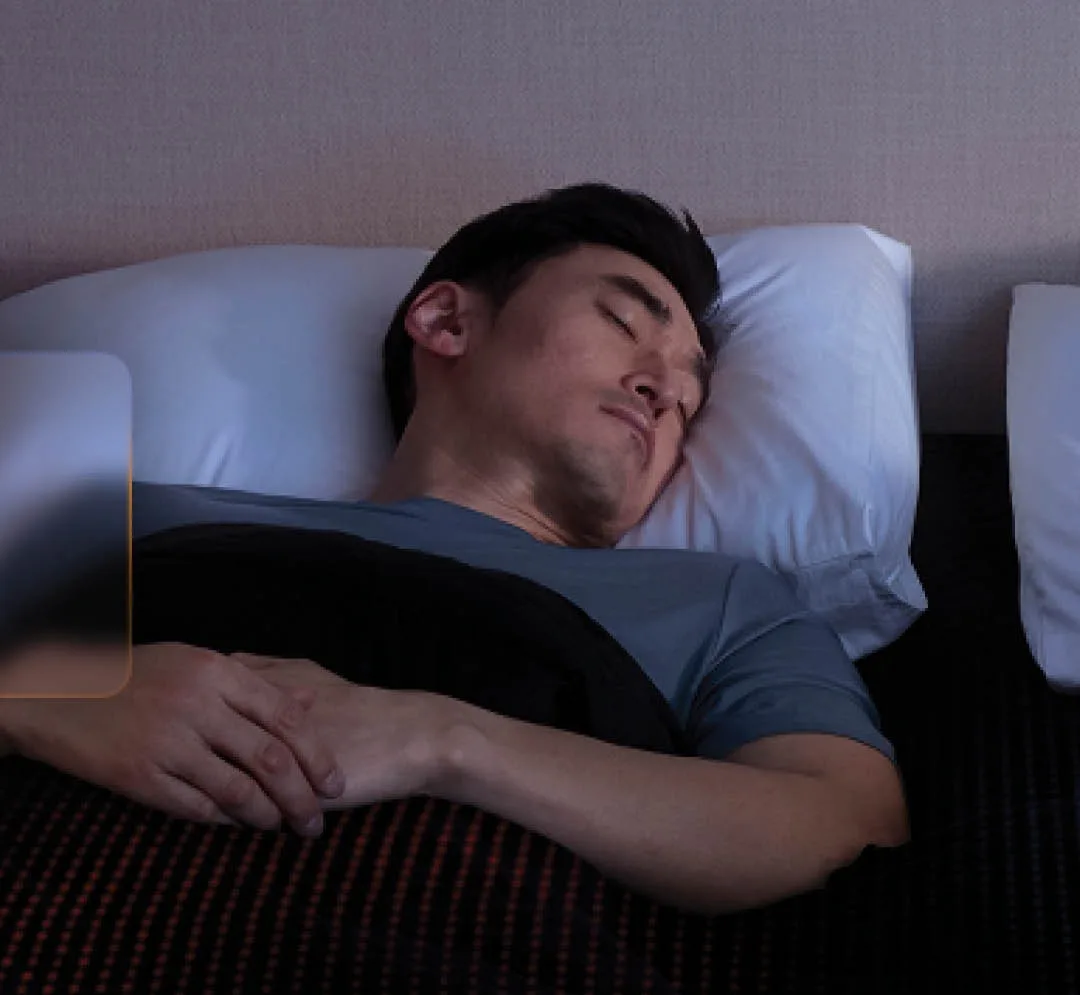

For decades, the image of success was built around sacrifice: longer hours, fewer breaks and the belief that sleep was something to catch up on later. But as the worlds of sport, business and wellness evolve, elite performers are beginning to understand that sleep and recovery are competitive advantages.
From Olympic athletes to CEOs, the people operating at the highest level are investing more time in understanding their bodies, protecting their energy and building habits that allow them to perform for longer.
So, what can we learn from those who consistently perform at their peak? We spoke to Neame, a UK based performance coach and writer specialising in sleep, performance, fitness and longevity, whose work with Olympic athletes and high-performing individuals explores the connection between recovery, health and sustainable success.

ESQUIRE: For years, success was defined by long hours and sacrificing sleep. Today, the conversation seems to be shifting. Has the definition of high performance fundamentally changed, and what are today’s top performers doing differently?
Sam Neame: I’m happy to say that the days of “I’ll sleep when I’m dead” are officially over, and there is still a lot of movement happening in this space. I believe that for many people, high performance once meant performing at the highest possible level every day, without proper rest or recovery, which of course isn’t sustainable.
What’s brilliant is that today’s top performers are investing in proper rest and recovery, creating both longevity and sustainable performance. We’re finally realising that running on fumes not only increases the risk to our health, but also reduces our overall life satisfaction.
Thank God for sleep.
ESQUIRE: You work with Olympic athletes, actors and business leaders. Despite their very different worlds, what habits consistently separate those who sustain excellence over decades from those who eventually burn out?
Sam Neame: I would say it’s awareness of where their mind and body are. It’s actually quite easy to train every day and push ourselves to our limits; however, the smartest athletes and high performers have a real awareness of when to rest, when to push, and how to understand the needs of their bodies.
I always argue that we have a built-in WHOOP, which is awareness, and if you listen closely enough, you’ll know when it’s time to rest. Symptoms of burnout are spoken about much more now, such as irritability, sleep problems and high blood pressure, along with other factors.
Understanding that recovery is, in fact, a training session is a great place to start. It’s something I’ve struggled with in the past and still have to remind myself of now.
ESQUIRE: You often describe sleep as one of the biggest performance tools available. In a culture that still celebrates being “always on”, why has a good night’s sleep become the ultimate luxury, and are we finally giving it the value it deserves?
Sam Neame: Firstly, I think the wellness movement has arrived at exactly the right time because there have been some seriously damaging effects from the overuse of social media, burnout and stress, which in turn have created immense sleep problems for so many people.
The awareness around sleep and being as healthy as possible is finally being recognised, and people are beginning to understand the superpowers of what sleep can really do.
We can also thank people like Andrew Huberman and Matthew Walker, who discuss the importance of sleep on a regular basis. I think sleep deserves to be on the podium.
ESQUIRE: The wellness industry is full of expensive gadgets, supplements and biohacks promising better performance. In your experience, what are the biggest misconceptions about optimisation, and which simple habits actually deliver the greatest results?
Sam Neame: You’re completely right here, and I feel strongly about this, especially when it comes to over-optimisation. I’ve always believed that we’re simple creatures, and that simple habits and simple behaviours are often all we really need.
I think buying our way into optimisation can create a few problems, especially when relying too heavily on gadgets. However, I do believe that the right tools, used properly and without looking for shortcuts, can be brilliant.
Keeping performance simple is key, but when you break it down, it comes down to behaviours and habits: creating consistency and discipline around sleep, putting the phone away and maintaining regularity with your sleep schedule.
It means taking full rest and recovery days, not overtraining, and being aware of our needs both mentally and physically.
ESQUIRE: Your Six Pillars of Performance are built around habits, recovery, mindset, focus, movement and energy. If someone only had the capacity to improve one of those pillars this month, where would you tell them to start, and why?
Sam Neame: You won’t be surprised by my first one, and that will be sleep.
I used to struggle with sleep, and it really made my life difficult. That led me on a path of discovery, digging deep into how to actually sleep, which sounds ridiculous, but many of us don’t really know how to do it properly.
With sleep, I would always start in the morning. Getting natural light or sunlight first thing is a great way to simply tell your body that it’s time to wake up, which helps prepare you for the day ahead.
Being physically and mentally tired are great ways to support better sleep, alongside cutting caffeine by 1pm and waking up at the same time each day. The ideal bedroom is simple: cool, airy and dark.
Having phones in the room can pull you away from quality sleep, so make sure that’s covered. A hot shower before bed can help you get a deeper sleep, and earplugs can be a game changer if you’re a light sleeper.
The point around sleep is that it’s one of the only ways we can achieve true recovery, while also allowing our bodies and minds to heal both mentally and physically. Trying to perform without decent sleep is incredibly difficult, and eventually, it will catch up with you.
ESQUIRE: Ambition often comes with the fear of slowing down. How do you convince high achievers that recovery, boundaries and rest aren’t signs of complacency, but essential ingredients for lasting success?
Sam Neame: This is like telling a lion not to hunt for a few days a week. It’s a tricky one; however, lions are actually extremely good at resting, and you’ll find them most of the time sleeping or lying around to conserve energy before they go out on the hunt.
This is an example I use with high performers because getting them to slow down, even for a month, is difficult, let alone implementing it for good.
An exercise I do is creating a trajectory of their health and performance if they continue to run on fumes, and that usually creates some awareness.
It’s like showing a child what happens if they stop brushing their teeth for 10 years compared to what happens if they simply spend a short period of time brushing each day. Small, consistent actions compound over time.
ESQUIRE: If you could give every Esquire reader one habit to improve their sleep and recovery starting tonight, what would it be, and why?
Sam Neame: I would really recommend being super strict about having your phone in the bedroom.
Ideally, it should be switched off two hours before bed, and I can almost guarantee that after a few nights, falling asleep will become easier and the quality of your sleep will improve.
As for recovery, I would recommend giving your body real rest: some stretching, a hot bath, reading a book and switching off properly. This gives the body the space it needs to do what it needs to do and helps you function better overall.