

A t first light, Damascus belongs to the runners. They gather in clusters across the ancient city’s streets and open spaces—stretching, laughing, adjusting playlists on portable speakers, slowly shaking off the night—before setting off through alleyways, squares, and historic quarters with quiet purpose.
The 963 Run Club has become one of the city’s sharpest new fixtures: part fitness ritual, part social tribe, part statement of intent. For a city that is still healing from its latest trauma, there is something gently defiant about a crowd of young Syrians choosing movement, discipline, and style on their own terms, forging a fresh civic identity one run at a time.
Named for Syria’s international calling code, 963, it is unmistakably Syrian, but its ambition travels further. The wider goal is to actively help reset the tempo of Damascus, and carry that distinctiveness anywhere people connect with its spirit, whether Syrian or not—turning a national identifier into a mobile, open-ended community. And that community is growing.
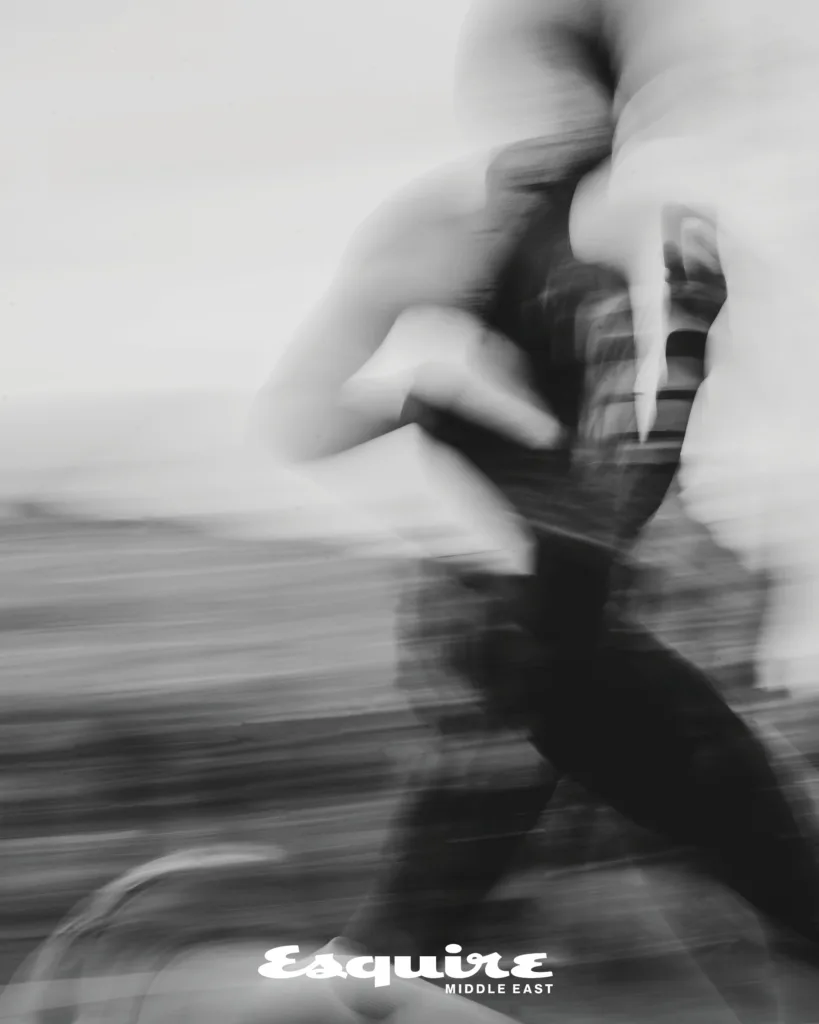
The recent campaign collaboration alongside Kizio Studio—a fresh new-wave creative outfit in Damascus—has helped 963 Run Club extend beyond fitness and into the city’s cultural bloodstream. Its defining slogan, أن تميل“ ” — “Do not bend” — captures that evolution perfectly: a phrase charged with discipline, resilience, and a moody determination to continue.
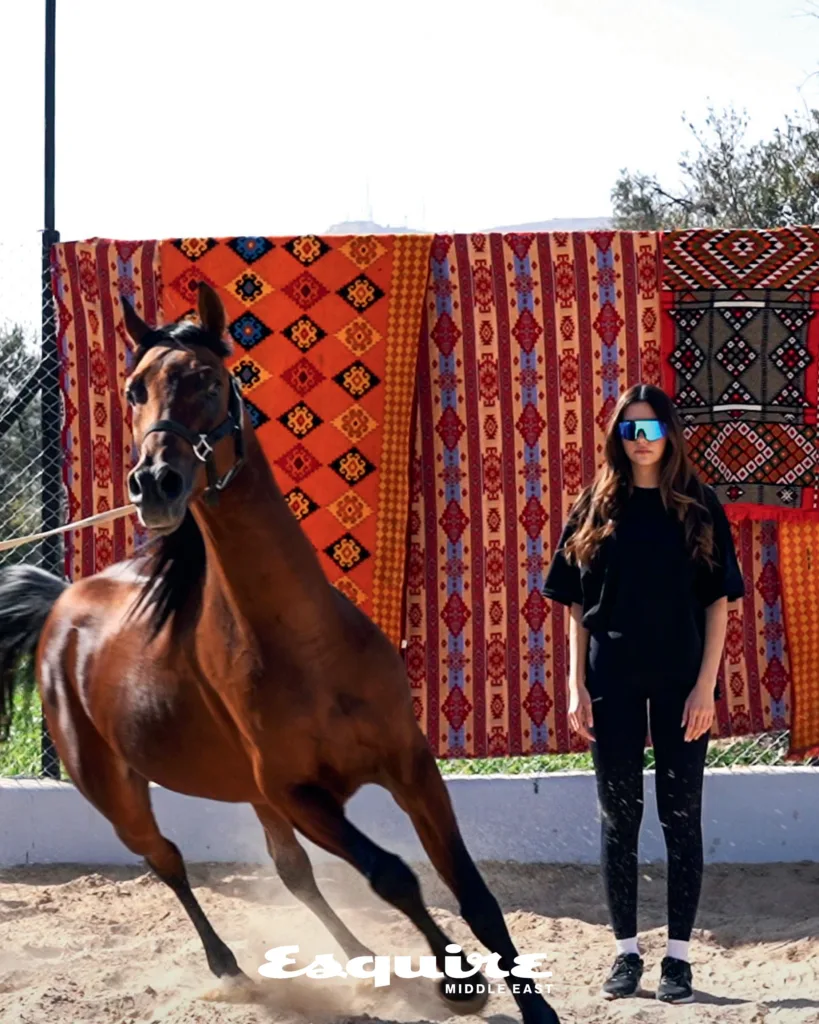
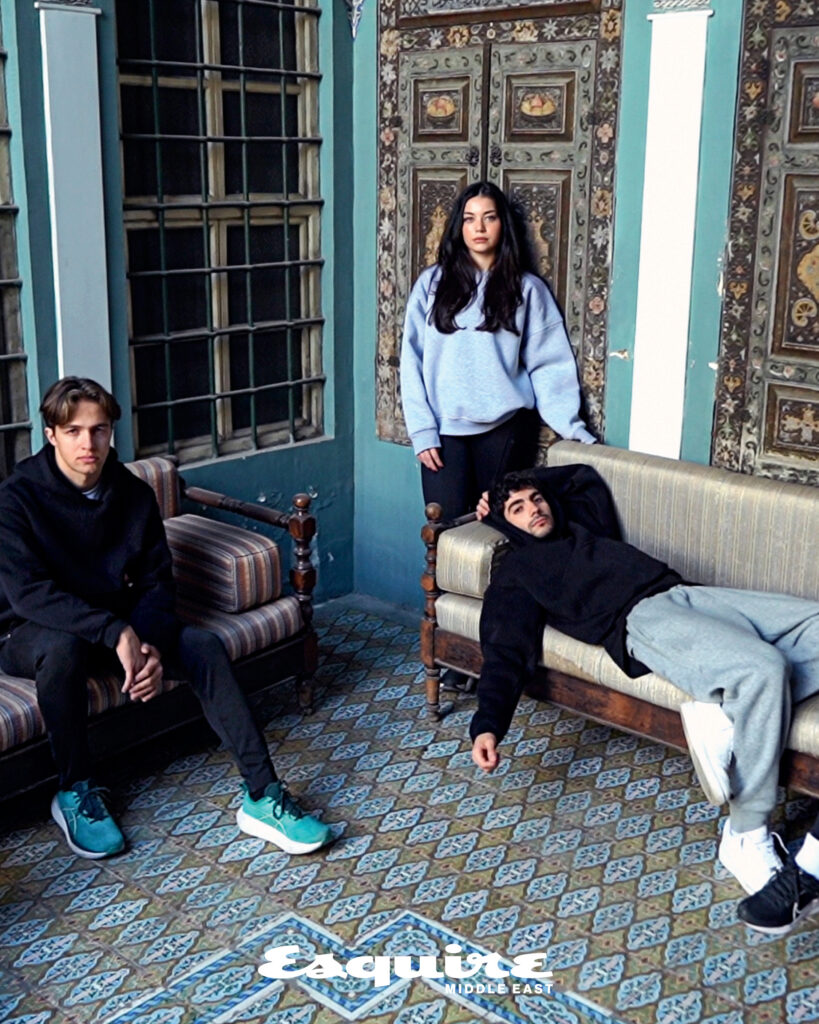
Set against Syria’s historic backdrops—the carved caves of Maaloula, the Ottoman elegance of Naasan Palace, the vaulted grandeur of Khan As’ad Pasha, and the Hi Horse Equestrian Center on the edge of Damascus’ green belt—the club’s athletes and enthusiasts feel rooted in something larger than sport.
The beating heart of the club is two friends: Jawad Ibrahim, 24, and Ghaith Kanawati, 33, co-founding what has quickly become one of Damascus’s most visible new communities. “Our first official run was in March, 2024,” Ibrahim tells Esquire. “Before that, it was very organic—just a few of us sharing runs on Instagram stories, four or five guys meeting up in the park and enjoying the process. The first official run had around 25 people. The second had 50. The third, close to 100—and that’s when it really took off.”
Much like a lot of young Syrians Ibrahim is somewhat of a polymath. He is a dentist, but also a strength and conditioning coach, however, ask him what he identifies as and he describes himself first as a builder. “Above all, I’m focused on building—developing ideas, scaling projects, and creating systems that grow into something bigger than themselves,” he says. From the beginning, he adds, 963 was never only about exercise. “The intention from day one was to bring people together—to create a tribe, a family, a real sense of community. I did imagine it growing. Maybe not to this scale, not this fast—but the vision was always there.”
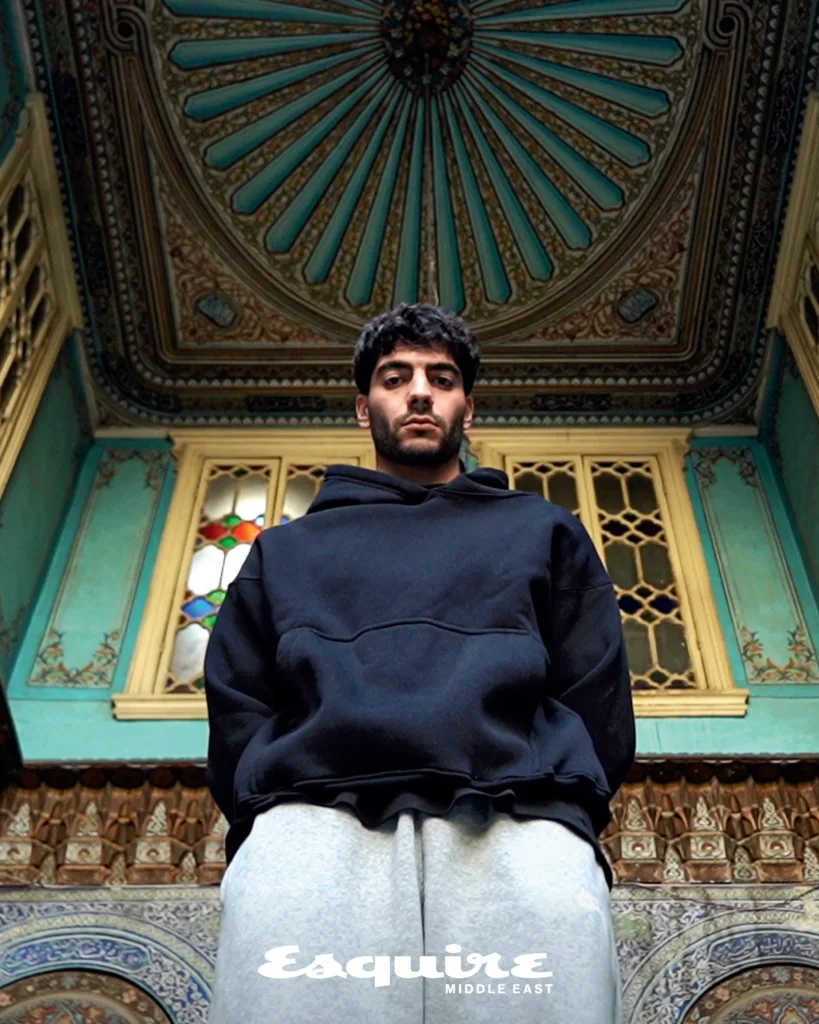
Kanawati, on the other hand, running was his form of escape. “Running had always been a personal outlet for me,” says the textile manufacturer, but like any good community builder, he wanted to take his learnings and share with others. “It helped me manage stress and navigate the pressures of daily life. I wanted others to experience that same sense of release, while also rediscovering the city in a more active and meaningful way.” Essentially, while not its initial purpose, the club answered a wider social need. “It was about creating a positive social environment,” he adds, “something that allows people to connect, meet others, and feel part of something bigger.”
That sense of belonging has pushed 963 beyond weekly runs. The club now draws around 100 to 150 people per session and has expanded into pop-ups, gatherings, collaborations and merchandise. The Kizio Studio campaign—named ‘963 CLO’—included a clothing line, and signalled how far the community has travelled beyond sport.
“I had the phrase “Iyak an Tamiil” (“Do not bend”) written on my whiteboard for years,” says Ibrahim. “It’s about resilience—standing your ground no matter what you’re going through. So, bringing it to life as a campaign was very personal—there’s a lot of emotion behind it.”
Key to that was Mark A. Marcus, the creative director and co-founder of Kizio Studio, for who the appeal was immediate. “What drew us to 963 was that it never felt like just a running club,” he says. “It already carried rhythm, discipline, belonging, and a very honest young energy.” The slogan gave that energy a sharper visual language.
“Iyak an Tamiil felt powerful because it is both a warning and a principle,” he says. “It speaks about staying centred, not drifting, and not losing direction—about how you carry yourself through pressure, instability, and change.” The collaboration’s visual language was precise, restrained, and emotionally loaded, something that Marcus explains was very deliberate in order to reflect a wider shift in Damascus. “The creative scene is no longer limited to traditional artistic spaces. Communities like 963 are also shaping taste, identity, and atmosphere.” And it is not limited to just the country’s dialing code.
Professional triathlete, Adnan Zaki, is a member of the club but one with global ambitions. Although, being a professional athlete in Syria is no simple task and requires gritty determination.
“Being an athlete in Syria is challenging in almost every way,” he says. “There is very limited support compared to what professional athletes receive abroad. Sometimes you see athletes performing at a lower level but having better opportunities, and that can be frustrating. Still, it pushes me to work harder and prove myself.” That is where the moral support of a community can come into play. “I knew Ghaith and Jawad before the club was founded, and was one of the early supporters of their journey,” says Zaki. “The connections it has allowed us to build has played a big role in bringing life back to the streets and encouraging people to move again. Honestly, it’s one of the best things that has happened to the sports
community in Syria.”
Zaki has high standards, with a goal to qualify for the Los Angeles 2028 Olympics. “I truly believe I’m not far from achieving this. The only thing I’m missing is the proper support to become one of the top Asian athletes—because reaching that level without support is extremely difficult.”
Being a professional athlete in Syria comes with a plenty of hurdles due to the lack of support and structure, with many promising athletes giving up when faced with fees, funding and red tape bureaucracy. “For me, I’ve stayed consistent for over seven years in this path, and it hasn’t been easy at all—but that’s exactly what has built my mentality,” says Zaki.
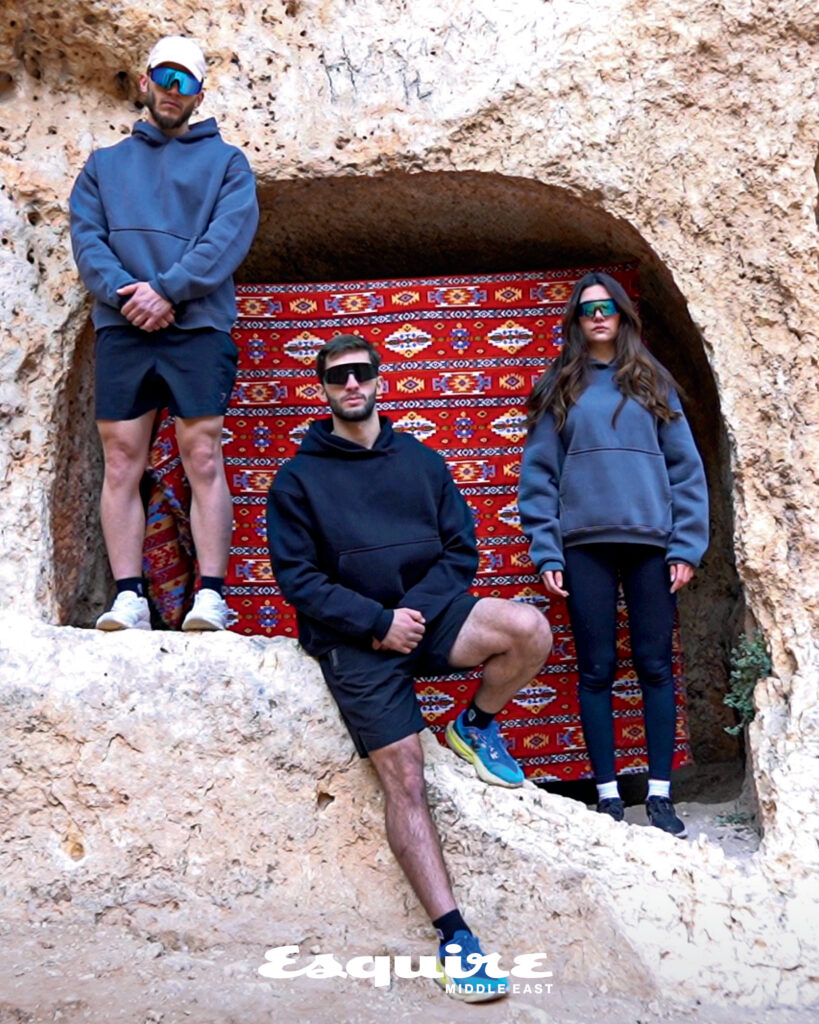
The club’s growing popularity has also reached official circles. Syria’s Minister of Health, Dr. Musab al-Ali, and Minister of Social Affairs and Labour, Hind Kabawat, have both attended and participated in 963 runs—a striking sign of how far the group has travelled from an informal gathering of friends to a public-facing movement. The club also took part in the Damascus Marathon, further cementing its place in the city’s emerging sports culture.
For 963, these moments are less about status than symbolism: running is being normalised, movement is becoming social, and a new generation is making fitness feel visible, communal, and culturally relevant.
According to Marysol Ibrahim, a 22-yearold dentist, the appeal of 963 lies in its simplicity. “It’s a community focused on health and movement,” she says. “It’s not just for Syrians, but people from different countries, cultures, and age groups come together to run. The shared interest in running is the ice breaker.”
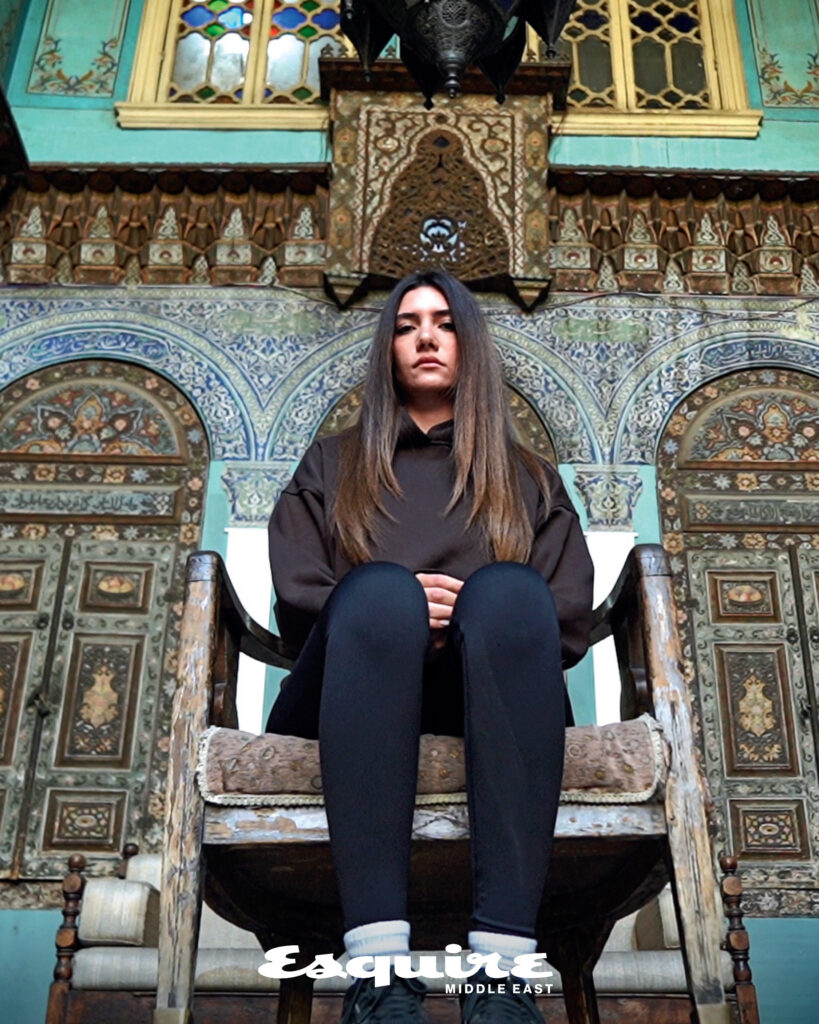

For her, the club has become personal. “963 means a lot to me,” she says. “I’ve made so many friendships and connections through it, and I love how welcoming and friendly everyone is. Some people come to meet new people, some come with their friends for a fun hangout, and some simply come to run and move their bodies.
Whatever the reason, everyone is welcome.” Running through Damascus, she adds, has also given the community a wider cultural weight. “The runs have a real impact on the community — seeing beautiful locations together, sharing coffee and conversation afterwards, and pushing each other to grow. That’s really why we started this.”
The sentiment echoes across much of its hundredsstrong members – giving some a renewed sense of purpose amid the recent political upheaval. “From the moment I joined, 963 became part of my routine,” says regular Rettaj Shaheen. “The community is welcoming, supportive, and genuinely motivating. It pushes you to become better.”
For Shaheen, the appeal was immediate. She had always loved running, but never connected with the treadmill. Seeing people run outdoors abroad made her want that same feeling in Damascus. “When I found 963 on Instagram, I was genuinely excited,” she says. “It felt like the first real chance to experience outdoor running in the city.”
Over time, that weekly rhythm has turned strangers into friends. “It’s never just a group that meets to run,” she says. “Real friendships have formed—connections that go deeper than running. There is genuine care, support, and respect between people.”
Running through Damascus with 963, Shaheen says, feels both personal and collective. “It’s empowering,” she says. “Even when we run at different paces, we move as one unit. Experiencing Damascus together in that way is special. People recognise us, we motivate each other, and we share our love for the city in a completely different way.”